
The Complete Guide to Vanlife for Beginners (2026)
Vanlife is exploding in popularity but knowing where to start can feel overwhelming. This beginner-friendly guide walks you step-by-step through choosing the right van, essential gear, off-grid power systems, budgeting, safety, and everything you need to hit the road with confidence.
Vanlife looks different for everyone. For some, it’s weekend adventuring and sunrise coffees in the mountains. For others, it’s full-time travel, remote work freedom, and living life on their own terms. But no matter your dream, starting vanlife can feel overwhelming. This beginner-friendly guide breaks everything down into simple, actionable steps so you can confidently choose a van, build your setup, and hit the road with zero guesswork.
What Is Vanlife (and Why Is It So Popular?)
Vanlife is more than a pretty photo on Instagram — it’s a lifestyle built around freedom, flexibility, and fewer distractions. Instead of paying for a fixed address, many people are choosing a home on wheels so they can:
- Wake up in new places every week
- Spend more time outdoors and less time commuting
- Work remotely from national parks, beach towns, or mountain trailheads
- Swap rent and utilities for travel and experiences
The explosion of remote work, better off-grid power systems, and faster mobile internet (like Starlink) has made vanlife more accessible than ever.
Choosing the Right Van for Your Needs
Before you think about fairy lights and mountain views, you need to decide what type of van actually fits your life.
Step 1: Decide How You’ll Use the Van
Ask yourself:
- Is this for weekend trips, extended road trips, or full-time living?
- How many people need to sit and sleep comfortably?
- Will you be working remotely from the van?
- Do you plan to chase snowy winters, hot summers, or stay in mild climates?
Your answers will shape everything: layout, power, heating/cooling, and budget.
Step 2: Compare the Main Van Platforms
Most modern camper vans fall into three main chassis families:
Mercedes Sprinter
- ✅ Available in diesel + AWD
- ✅ Tall roof options (great for standing height)
- ✅ Strong aftermarket and premium builder support
- ⚠️ Higher purchase price and maintenance costs
- ⚠️ Service can be harder to find in very remote areas
Best for: People who want AWD, premium builds, and plan to travel in variable weather or mild off-road conditions.
Ford Transit
- ✅ Great value with modern safety tech
- ✅ Tall roof and AWD options
- ✅ Ford service centers are easy to find
- ✅ Drives more like a car than a truck
- ⚠️ Slightly narrower than ProMaster inside
Best for: Everyday drivability, mixed-use (city + highway), and people who want AWD without going full Sprinter-budget.
Ram ProMaster
- ✅ Widest interior (perfect for east-west beds)
- ✅ Front-wheel drive (good traction in many conditions)
- ✅ Typically the most budget-friendly new chassis
- ✅ Rectangular interior walls = easier to build in
- ⚠️ Lower ground clearance than Sprinter/Transit
Best for: Budget-conscious builds, DIY or custom layouts that prioritize space over off-road performance.
Step 3: Pre-Built vs DIY vs Custom Builder
You have three main paths into vanlife:
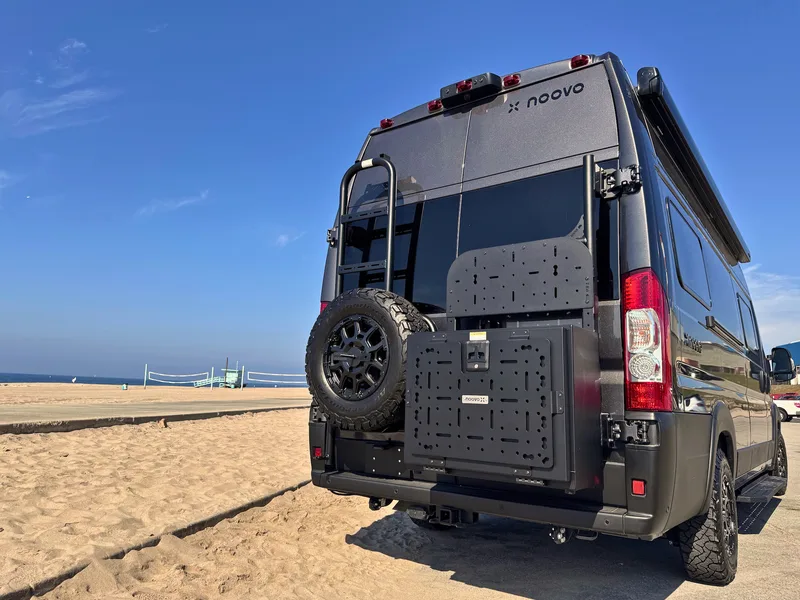
1. Pre-Built Camper Vans (Winnebago, Storyteller, Noovo, etc.)
-
Pros
- Turn-key: drive off the lot and start camping
- Certified electrical + plumbing systems
- Easier to finance as an RV
- Strong resale value on known brands
-
Cons
- Less layout customization
- Popular models can be pricey or hard to find
Best for: Beginners who want reliability and speed to hit the road without managing a build project.
2. DIY Builds
-
Pros
- Lowest potential cost
- Full creative control
- Deep understanding of your own systems
-
Cons
- Steep learning curve (electrical, carpentry, plumbing)
- Safety risks if wired or installed incorrectly
- Harder to insure or finance in some regions
- Build can take months (or years) if you’re busy
Best for: Handy tinkerers who enjoy the process as much as the result and are comfortable taking on a long project.
3. Custom Builder Vans
-
Pros
- Professional, safe systems
- Layout tailored to your lifestyle (remote work, pets, kids, etc.)
- Better long-term reliability and resale than many DIY builds
-
Cons
- Higher upfront cost than basic DIY
- Build queues can be several months out
Best for: People who want high-quality, off-grid capability without managing every detail of the build themselves.
Must-Have Gear for New Vanlifers
You don’t need every gadget on day one, but a few categories matter a lot:
Power System Essentials
At minimum, aim for:
- Lithium battery bank: 200–600Ah (more if you work remotely or use A/C)
- Charging sources:
- Roof-mounted solar
- DC-DC charging from the alternator while you drive
- Inverter: 2,000–3,000W if you plan to run induction cooktops or 120V outlets
This combination lets you run:
- Laptops and phones
- Lights and fans
- Fridge
- Small appliances
- Starlink or other mobile internet equipment
Heating and Cooling
- Heating options:
- Diesel/ gasoline heater tapped into the fuel tank
- Hydronic systems that also provide hot water
- Cooling options:
- 12V rooftop air conditioning
- Roof fans for constant airflow
- Insulated window covers to keep heat in (or out)
If you plan winter travel, prioritize insulation + a reliable heater. For summer, prioritize ventilation and shade.
Water & Kitchen Setup
- Fresh water: 20–40 gallons is comfortable for 1–2 people
- Grey water: Under-mount or internal tank to collect sink/shower water
- Filtration: Simple inline filter or portable filter for refills
- Cooking:
- Induction cooktop (needs good battery + inverter)
- Or propane/butane stove (needs ventilation and safe storage)
How Much Does Vanlife Really Cost?
Your costs break down into two buckets: startup costs and ongoing monthly costs.
Startup Costs
-
Van purchase:
- Used cargo van: ~$20k–$45k
- DIY build materials: ~$10k–$35k
- Custom/upfitted vans: ~$120k–$200k+
-
Gear & one-time expenses:
- Bedding, kitchenware, storage solutions
- Safety gear (fire extinguisher, first aid kit, CO/smoke detector)
- Outdoor furniture, leveling blocks, etc.
Monthly Costs (Typical Range)
- Fuel: $150–$600+ (depends on miles per month)
- Food & groceries: $250–$600
- Campsites / park fees: $0–$500
- Insurance & registration: $90–$150+
- Phone & internet (e.g., Starlink): $100–$150+
- Maintenance & repairs: average $75–$150/month over a year
With the right setup, vanlife can be cheaper than paying rent, especially if you travel slowly and mix in free camping.
Off-Grid Living 101
Living off-grid simply means you’re not plugged into shore power or city utilities. You’re generating and managing your own resources.
Power Management Tips
- Drive regularly to top up batteries via DC-DC charger
- Use LED lighting and 12V appliances when possible
- Monitor your battery state of charge daily
- Save heavy loads (induction cooking, hair dryers) for when batteries are full
Water & Waste
- Plan refills at:
- Campgrounds
- RV dump stations
- Some gas stations and visitor centers
- Keep a simple system for:
- Grey water (sink/shower)
- Toilet (cassette, composting, or porta-potty)
Temperature Control
- Park in shade in summer, sun in winter
- Use insulated window covers at night
- Crack windows with bug screens to prevent condensation
Working Remotely From the Road
If remote work is part of your plan, build around power + internet.
Internet Options
- Starlink: best for remote locations and consistent speeds
- Cellular hotspots or dedicated data plans
- Public Wi-Fi as a backup only
Remote-Work Setup Ideas
- Swivel seats with a lagoon-style table
- Standing desk at the back doors with a portable monitor
- Dedicated “office bench” with USB and 120V outlets nearby
Protect your work time by creating a weekly rhythm: work blocks, drive blocks, and adventure blocks so you don’t feel like you’re always doing all three at once.
Safety, Legalities, and Parking Basics
- Keep your vehicle well-maintained (oil, brakes, tires)
- Store emergency gear: jumper cables, tire repair kit, tow rope, extra water
- Use apps like iOverlander and Campendium to find legal overnight spots
- Respect local rules — some cities have strict overnight parking laws
- Trust your gut: if a place feels off, move on. There’s always another spot
Planning Your First Vanlife Trip
Instead of selling everything and going all-in on day one, start with:
- Weekend trips close to home
- A one-week test run to practice remote work, cooking, and sleeping in the van
- Gradual upgrades as you learn what you actually use
Helpful apps to download:
- iOverlander – free/paid camping spots
- Campendium – reviews + photos of campsites
- AllTrails – hikes near your camp
- Windy or Weather apps – crucial for mountain & desert travel
Treat your first trip like a practice run: take notes, adjust your packing list, and update your “must-have vs nice-to-have” items afterward.
Vanlife doesn’t require perfection — just curiosity, preparation, and a willingness to embrace the journey. Whether you dream of weekend road trips or full-time off-grid living, starting with the right van and the right expectations makes all the difference. Use this guide as your roadmap, experiment, stay flexible, and remember: the best lessons happen on the road. When you’re ready, take our VanLifeMatch quiz or rent a van to test-drive your perfect setup.